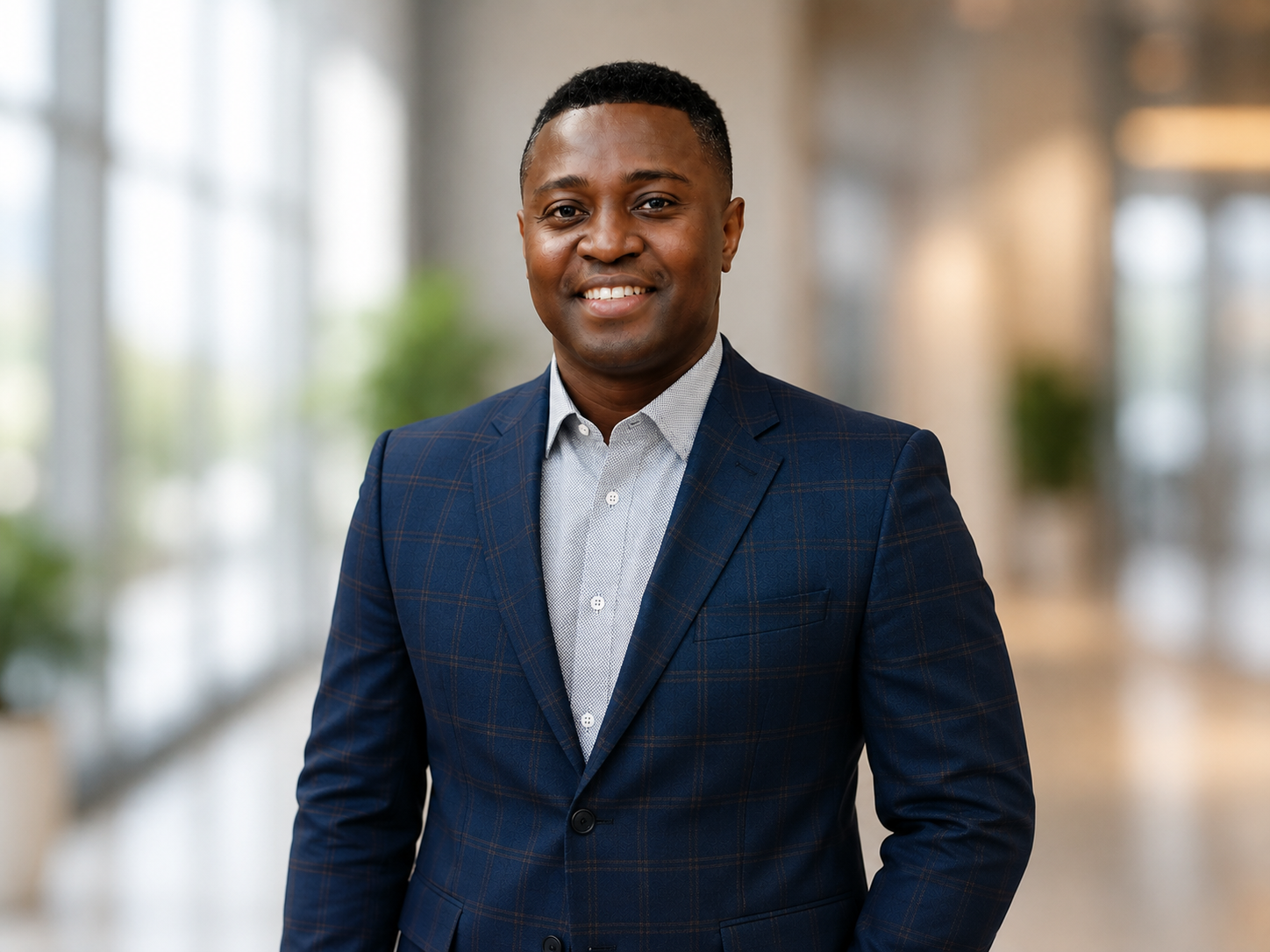
Research Scientist · Institute for a Disaster Resilient Texas
Texas A&M University · College Station, TX
Urban & Regional Science · Hazard Mitigation & Resilience
I investigate the drivers behind growing hazard impacts and develop evidence-based mitigation strategies that reduce disaster-related damages. Using quantitative and geospatial methods, I assess how the built environment interacts with natural hazards—and design tools that help policymakers, especially in under-resourced communities, turn complex data into actionable policy.
Areas of Inquiry
Scholarship
Funding
Selected Funders
Updates
Interested in collaborating, inviting me for a talk, or learning more about my research? I welcome inquiries from researchers, policymakers, and practitioners.
Research Statement
"Hazard mitigation strategies must consider the cumulative impact of urban development and land-use changes across multiple scales in coastal margins well into the future."
My research underscores this statement: hazard resiliency must consider the cumulative impact of multiple mitigation strategies across multiple scales. I develop decision-making tools for local planners and emergency managers, evaluate the environmental and economic benefits of property buyout and managed retreat programs, measure residential losses and business disruptions from hurricane events, and create synergistic models for transboundary flood hazard mitigation.
Much of this work is service-driven, with a strong focus on broad societal impacts—particularly for under-resourced communities where I transform data into knowledge and translate that knowledge into actionable policy.
Research Interests
Methods
Specialties
Research Themes
Theme 01
Web-based tools are essential for translating complex data into actionable insights for local planners. As project lead for the Risk Assessment and Mapping Portal (RAMP)—developed in collaboration with the Texas Division of Emergency Management—I built an interactive platform allowing users to visualize risks, explore mitigation options, and prioritize interventions in real time.
By integrating spatial datasets, hazard information, and modeling outputs into a single interface, RAMP empowers planners and officials to make informed, data-driven decisions for flood management, nature-based infrastructure, and community resilience.
Explore the RAMP Tool →Risk Assessment & Mapping Portal
ramp.cloud.tdis.io
Theme 02
Buyouts have traditionally been carried out with little regard for non-monetary benefits—driven by a reactive cost-benefit calculus after a flood event. This results in disjointed open spaces that fail to protect environmental assets or improve long-term community resilience.
This research theme develops a proactive, ecologically informed framework for the selection of buyout candidates, incorporating ecological gain, spatial pattern of existing open space, and budget constraints to help communities select the most optimal flood mitigation strategy.
Theme 03
This theme evaluates the unintended and cumulative impacts of flood mitigation strategies at regional scale—and highlights the reactive way in which planners often implement mitigation decisions after events have already occurred.
I provide proactive methods to spatially direct financially optimal policies for disbursing limited disaster and mitigation grants, including non-structural measures at the household scale.
Theme 04
Flood risk transcends political boundaries, yet in the United States, mitigation decisions are delegated to local jurisdictions whose consequences extend well beyond their borders—often adversely impacting downstream communities. By coupling hydraulic modeling, geospatial analysis, and qualitative and quantitative methodologies, my ongoing research assesses the impact of multiple mitigation techniques across multiple spatial scales in the built environment, and how they collectively contribute to reducing flood risk at the regional level.
Funding
Also Contributing Researcher On
Education
"The mediocre teacher tells…. the great teacher inspires."
— William Arthur Ward
Through teaching, I inspire students to take an active role in their learning and to realize that learning is a life-long process. I adopt high-impact teaching and learning practices and encourage students to pursue independent research projects that they enjoy. I promote a culture of community, inclusion, and respect for diversity in my classroom and am especially sensitive to the needs and interests of students from underrepresented groups.
Course History
Course Descriptions
* Denotes student co-author
I welcome inquiries from researchers, policymakers, practitioners, journalists, and students interested in flood hazard mitigation, buyout programs, disaster resilience, or geospatial methods.
Use the form below or reach out directly by email. I typically respond within 2–3 business days.
Note: This form sends a direct email. Alternatively, reach out to kayodeatoba@tamu.edu directly.